Top Benefits of a Full Service Oil Change at Your Local Service Center
A full service oil change at a neighborhood auto shop offers substantial benefits for car upkeep. It ensures that worn-out oil is replaced with high-quality lubricants, improving motor efficiency. Mechanics perform critical checks, uncovering possible problems in advance. This preventive approach can produce better fuel efficiency and decreased service fees. Appreciating these benefits is crucial for every car owner. What further elements should one examine when maintaining their vehicle's health?
How Often Should You Change Your Oil?
How frequently should vehicle owners change their oil? This is a common concern for both car enthusiasts and regular drivers. As a rule, most manufacturers advise swapping out engine oil every 5,000 to 7,500 miles, although some modern vehicles can stretch this interval to 10,000 miles or more under specific conditions. Factors influencing oil change frequency include driving habits, climate, and the type of oil used. To illustrate, individuals who commonly deal with congested roadways or travel through severe temperature fluctuations may find themselves needing oil changes more regularly. Moreover, synthetic motor oils are known to deliver enhanced protection and can help lengthen the duration between necessary oil changes. Keeping track of both oil level and condition is essential; murky, coarse-textured oil signals that a replacement is needed. At the end of the day, following a disciplined oil change regimen is indispensable for sustaining engine condition, enhancing overall performance, and increasing the longevity of your vehicle, establishing it as a cornerstone of responsible automobile ownership.
What Does a Full Service Oil Change Include?
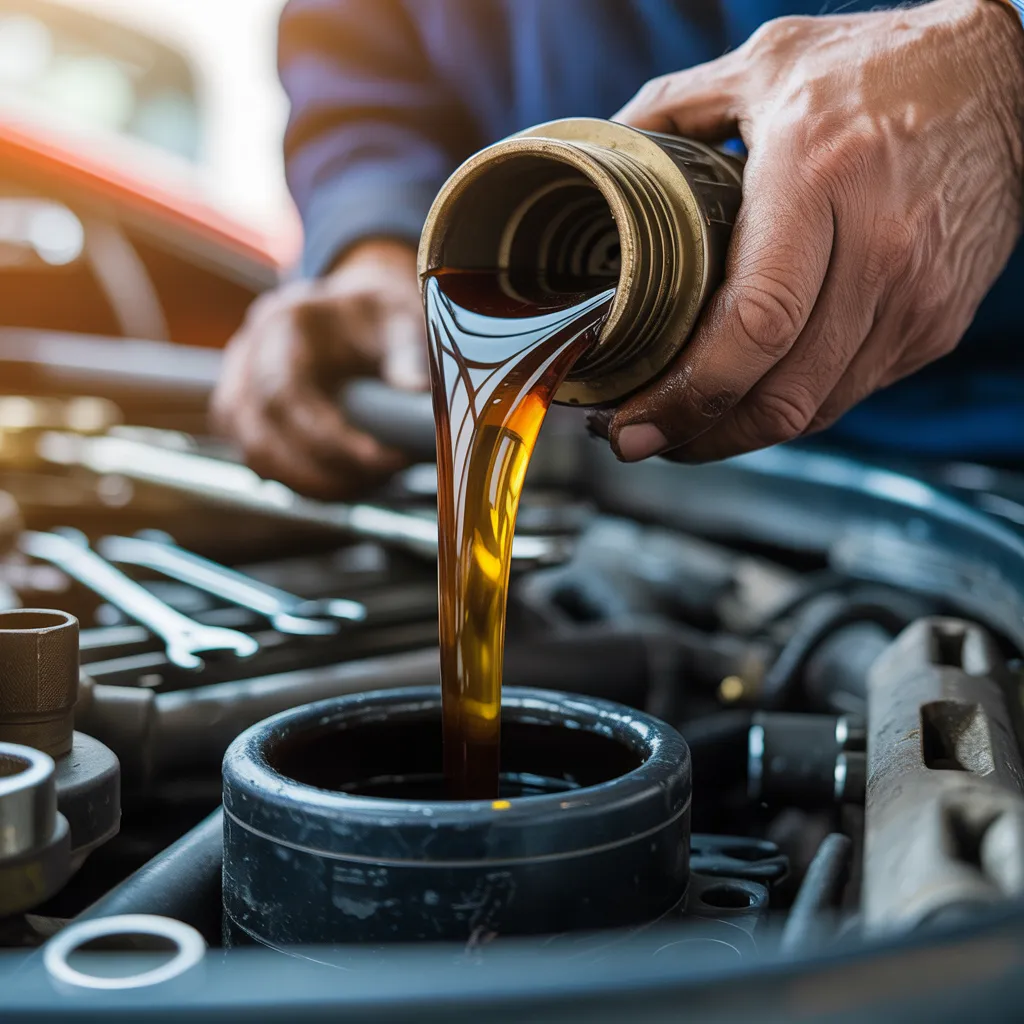
A complete oil change service usually covers a number of key elements aimed at maintaining maximum engine efficiency. To begin, the service involves removing the used engine oil, which is subsequently substituted with high-quality, manufacturer-recommended oil. The oil filter is likewise swapped out to ensure that pollutants do not travel through the engine.
Alongside these main duties, technicians frequently perform a comprehensive multi-point check, assessing hoses, belts, and fluid levels for signs of wear and tear. They will also examine the engine air filter and cabin air filter, changing them out as required.
Some service centers supply supplementary services, such as tire rotation, brake inspection, and even a wash or clean of the car's interior, enhancing comprehensive vehicle maintenance. This all-inclusive approach not only preserves the health of the engine but also promotes the long-term performance of other key systems within the automobile.
How a Complete Oil Change Service Enhances Fuel Efficiency
A complete oil change considerably enhances fuel efficiency by maintaining optimal oil viscosity, which allows for more efficient engine operation. Additionally, routine upkeep helps sustain engine cleanliness, reducing the buildup of damaging deposits. Moreover, reduced friction levels between engine components lead to improved overall performance and fuel economy.
Best Oil Viscosity
Ideal oil viscosity plays a crucial role in maximizing fuel efficiency. When a vehicle's engine operates with the correct oil viscosity, it delivers maximum lubrication and minimizes friction among moving parts. This efficiency reduces the energy required to overcome resistance, permitting the engine to function smoothly and effectively. A full service oil change not only replaces old oil with the right viscosity grade but also aids in uncovering any potential issues affecting performance. By maintaining the recommended oil viscosity, drivers can experience greater fuel economy, as the engine no longer needs to work as hard. As a result, a regular full service oil change can play a major role in long-term savings at the pump, serving both the wallet and the environment.
Engine Cleanliness Upkeep
Regular oil changes greatly enhance engine cleanliness, which is essential for preserving peak fuel efficiency. Over time, engine oil collects contaminants, including dirt, debris, and combustion byproducts. These impurities can form sludge that obstructs oil flow and impairs the engine's performance. By selecting a full service oil change, vehicle owners ensure that old, contaminated oil is replaced with fresh, high-quality oil, encouraging a cleaner engine environment. A clean engine operates more effectively, allowing fuel to combust more efficiently. This improved combustion process not only increases energy output but also results in better mileage. Consequently, regular maintenance fosters engine longevity, lowers the likelihood of costly repairs, and delivers a smoother driving experience overall.
Decreased Friction Levels
A key advantage of a complete oil change service is the decrease in friction within the engine. New, premium-grade oil efficiently coats engine parts, minimizing wear and tear. This protective coating enables components to glide smoothly against each other, decreasing resistance and improving performance. As friction decreases, the engine functions more efficiently, which has a direct effect on fuel consumption. Research suggests that engines with proper lubrication can attain improved fuel economy, resulting in savings for vehicle owners. Regular oil changes help maintain these low friction levels, ensuring that the engine runs at peak efficiency. As a result, committing to a full service oil change not only lengthens engine life but also leads to enhanced fuel efficiency, making it an excellent decision for car owners.
The Importance of Professional Oil Changes
Professional oil change services play a vital role in maintaining a vehicle's performance and longevity. When performed by trained technicians, these services guarantee that the correct type and amount of oil are used, tailored to the specific requirements of each vehicle. This precision helps optimize engine function and enhances fuel efficiency.
Moreover, professional oil change services frequently come with complementary services, such as inspecting filters and fluid levels, which can detect potential problems before they escalate. This proactive approach reduces the likelihood of costly repairs later on. Additionally, a service record from a reputable center can be beneficial for future resale value, as it shows a consistent focus on proper vehicle upkeep.
How Consistent Oil Changes Can Lengthen Your Vehicle's Lifespan
Regular oil changes play an essential role in enhancing engine performance and ensuring ideal fuel efficiency. By reducing wear and tear on engine components, these routine services contribute considerably to the longevity of a vehicle. This proactive maintenance not only protects the engine but also improves overall driving experience.
Boosted Engine Performance
The key to optimal engine performance lies in the frequency of oil changes, which serve a vital function in increasing the longevity of your car. Regular oil changes guarantee that the engine functions at its best by eliminating the formation of harmful sludge and contaminants. Clean oil provides efficient lubrication to moving parts, decreasing wear and friction on engine parts. Such lubrication is essential for optimal engine performance, facilitating more efficient operation in a variety of driving situations. Furthermore, regular oil changes assist in keeping engine temperatures balanced, preventing overheating and potential damage. Through committing to routine oil changes, drivers can boost overall engine performance, resulting in a more dependable and enjoyable driving experience. In the end, this habit not only prolongs the vehicle's lifespan but also enhances the overall driving experience.
Optimized Fuel Consumption
Oil changes not only enhance engine performance but also greatly impact fuel efficiency. Regular oil changes guarantee that the engine is lubricated with clean, high-quality oil, which reduces friction among moving parts. Such superior lubrication permits the engine to function more seamlessly, needing less energy to keep up its performance levels. Consequently, vehicles benefit from better fuel economy, enabling drivers to cover greater distances on every gallon of fuel. Additionally, fresh oil helps to maintain the engine's temperature, preventing overheating and guaranteeing efficient combustion. By prioritizing oil changes, vehicle owners can avoid unnecessary strain on the engine and promote more economical driving. Ultimately, this practice contributes to a longer vehicle lifespan and reduced fuel costs over time.
Less Wear And Tear
Consistent oil changes substantially decrease deterioration on a vehicle's engine. Fresh oil maintains maximum lubrication, safeguarding engine components from friction and heat buildup. Over time, aging oil may become polluted with contaminants and debris, causing increased friction and possible damage. Regular oil changes guarantee that the engine runs efficiently, minimizing the risk of costly repairs in the future. Additionally, a properly lubricated engine endures less strain, which can extend its lifespan markedly. Routine maintenance, including oil changes, also allows technicians to identify potential issues early, further protecting the vehicle. Ultimately, committing to oil changes is a straightforward approach to preserving a vehicle's health, enhancing its durability and reliability for years to come.
The Way Oil Changes Help You Save Money
Routine oil changes can significantly lower long-term vehicle maintenance costs. By making sure the engine functions properly with clean oil, vehicle owners can avoid serious problems including sludge buildup and overheating. Such issues can result in expensive repairs or complete engine failure, which greatly surpass the minimal cost of regular oil changes.
Furthermore, ensuring peak engine performance through regular oil changes can increase fuel efficiency. A well-lubricated engine operates more efficiently, leading to savings at the gas pump over time. Furthermore, many manufacturers require evidence of routine oil changes to maintain warranty coverage, safeguarding owners from unforeseen repair costs.
Investing in a complete oil change not only improves your vehicle's lifespan but also decreases the risk of unforeseen mechanical failures. Consequently, consistent oil change services act as a proactive maintenance step, reducing costs in the long run and promoting a trustworthy driving experience.
Understanding When to Plan Your Next Full Oil Change Service
When should vehicle owners consider scheduling their next full service oil change? As a applicable information general rule, service intervals fall between 3,000 and 7,500 miles, depending on the vehicle's make and model, as well as the type of oil used. Monitoring the vehicle's oil level and quality is essential; should the oil look dark or gritty, this could signal that a change is needed ahead of schedule. Additionally, owners should take note of the vehicle's performance. Unusual noises, decreased fuel efficiency, or warning lights on the dashboard might suggest that an oil change is due. Changes in season can influence how frequently oil changes are needed; to illustrate, extreme cold weather during winter months can demand more frequent oil change intervals. Ultimately, referring to the owner's manual offers vehicle-specific recommendations that help maintain optimal performance and extend the vehicle's lifespan. Consistently booking oil changes serves as a preventive step to preserve engine condition and prevent expensive repairs in the future.
Questions We Often Receive
Can Additional Services Be Performed During a Full Service Oil Change?
Yes, most automotive centers feature complementary services during a full service oil change. These may include tire rotation services, fluid checks, and air filter servicing, offering a valuable opportunity for thorough vehicle upkeep in a single visit.
What Type of Oil Is Used in a Full Service Oil Change?
Usually, a complete oil change utilizes either conventional, semi-synthetic, or full synthetic oil. The option chosen is determined by the vehicle's specifications and the customer's preferences, providing optimal performance and engine care while driving.
What Is the Duration of a Full Service Oil Change?
A full service oil change typically takes between half an hour to an hour, influenced by the shop's speed and supplementary services included. Factors like car model and oil preference can also influence the duration.
Do I Need an Appointment for a Full Service Oil Change?
Booking an appointment for a full service oil change is usually suggested, allowing the service center to promptly attend to your vehicle. However, many locations also accept walk-ins, providing flexibility for those with immediate needs.
Are Full Service Oil Changes More Expensive Than Standard Oil Changes?
Full service oil changes typically cost more than standard oil changes owing to the supplementary services they encompass, like fluid checks and filter replacements. This elevated pricing illustrates the complete maintenance performed on automotive upkeep.